admin
admin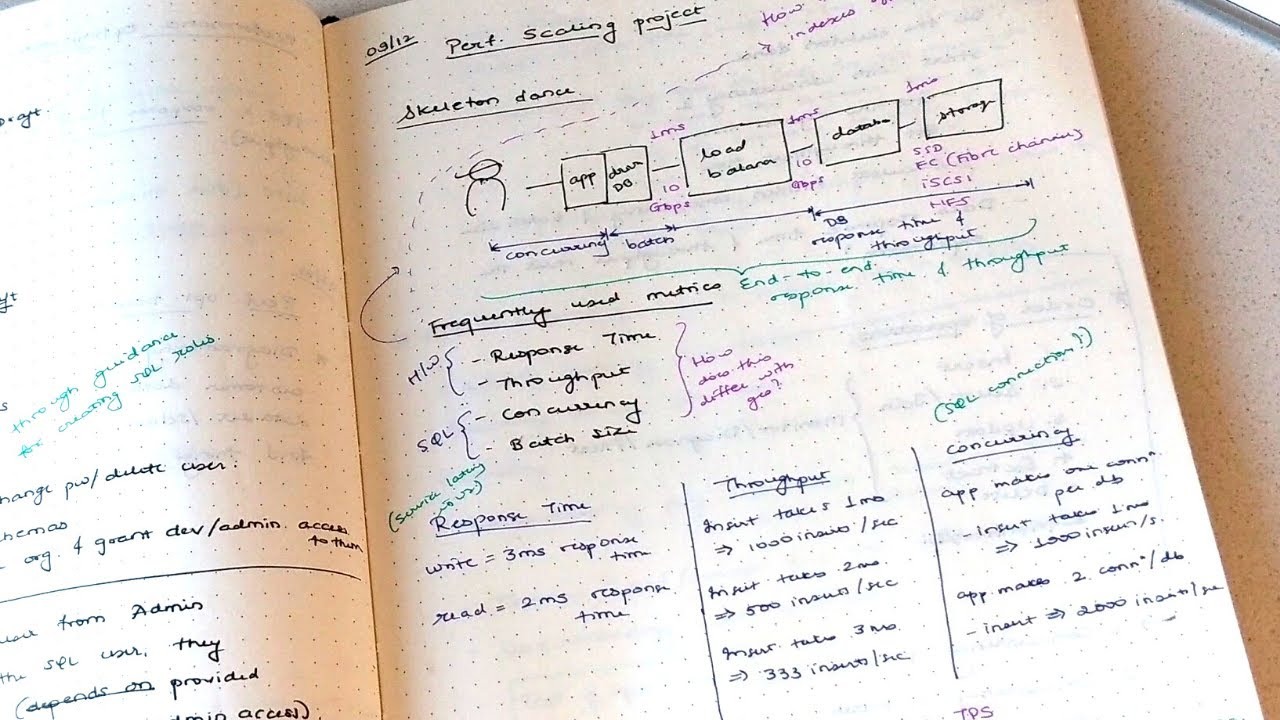
High quality technical writing plays a crucial role in enhancing user understanding by presenting complex information in a clear and accessible manner. Effective technical documentation bridges the gap between intricate concepts and the end-user’s ability to apply that knowledge practically. This type of writing requires not only subject matter expertise but also strong communication skills to translate specialized content into language that is easy to comprehend. When done well, it empowers users to navigate products, systems, or processes with confidence, reducing errors and increasing overall satisfaction.
One of the key elements of superior technical writing is clarity. Writers must avoid jargon and overly complicated sentences that can confuse readers unfamiliar with the topic. Instead, they should focus on using straightforward language while maintaining accuracy. Clarity also involves structuring information logically so users can follow instructions step-by-step without unnecessary effort. Proper use of headings, paragraphs, and transitions helps guide readers through material smoothly, ensuring they do not get lost or overwhelmed.
Consistency is another vital aspect of quality technical documents. Uniform terminology throughout a document prevents misunderstandings caused by varying word choices for the same concept. Consistent formatting enhances readability by providing visual cues about different types of content such as warnings, notes, or examples. Adhering click to discover established style guides ensures that documents meet professional standards and foster trust among users who rely on them for critical tasks.
Engaging visuals complement written text by illustrating procedures or highlighting important details effectively. Diagrams, screenshots, flowcharts, and tables serve as valuable tools for reinforcing explanations where words alone might fall short. Visual aids help break down complicated ideas into digestible parts while catering to diverse learning preferences among users.
Moreover, high quality technical writing considers the audience’s perspective thoroughly during development stages. Understanding user needs allows writers to tailor content appropriately-whether targeting beginners requiring foundational knowledge or experts seeking advanced insights. Gathering feedback from actual users enables continuous improvement in documentation clarity and relevance over time.
Incorporating usability testing into the creation process further refines documents by identifying ambiguities or gaps before publication occurs. This iterative approach minimizes confusion post-release and supports positive user experiences across various platforms including print manuals, online help systems, or mobile applications.
Ultimately, investing in professional technical writing solutions yields significant benefits for organizations aiming to enhance product adoption rates and reduce support costs through better-informed customers. Clear communication fosters trust between providers and consumers while enabling efficient problem-solving when issues arise.
By prioritizing precision combined with accessibility in their documentation efforts companies ensure their technology reaches its full potential through empowered end-users capable of maximizing value independently without frustration or delay.