admin
admin
Window air conditioning units are a popular choice for cooling individual rooms efficiently, but they can sometimes generate unwanted noise that disrupts comfort and concentration. Reducing the noise from your window AC unit involves a combination of proper installation, maintenance, and strategic adjustments to both the unit and its surroundings. First, ensuring that the air conditioner is securely installed is crucial. A loosely mounted unit tends to vibrate against the window frame or wall, amplifying sound levels. Use appropriate mounting brackets or foam weatherstripping around the edges to create a snug fit and absorb vibrations. Checking for any gaps between the window ac unit frame will also help prevent rattling noises caused by wind or movement.
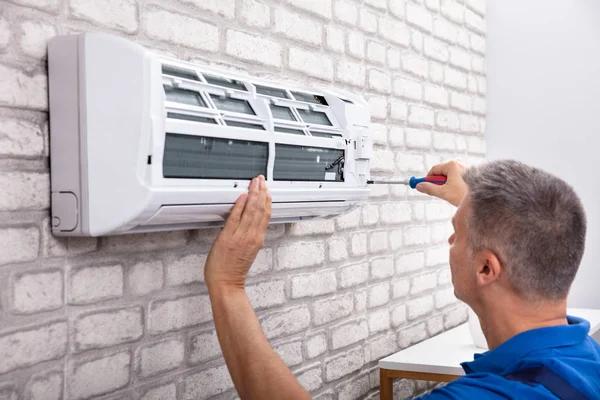
Regular maintenance plays an essential role in minimizing operational sounds. Cleaning or replacing filters frequently prevents airflow restrictions that force the compressor and fan motor to work harder, often resulting in increased noise output. Inspecting fan blades for dirt buildup or damage ensures smooth rotation without unnecessary friction or imbalance, which can cause buzzing sounds. Lubricating moving parts as recommended by the manufacturer reduces mechanical noise caused by wear over time.
Another effective method is to place sound-absorbing materials near or around your AC unit without obstructing airflow. Acoustic foam panels positioned inside your room close to where sound waves reflect can dampen echo effects generated by vibration and compressor operation. Outside, installing a wooden fence with dense shrubbery nearby may block some of the direct sound transmission while allowing ventilation needed for efficient cooling.
If your model allows it, adjusting fan speed settings can also influence noise levels; lower speeds typically produce quieter operation at slightly reduced cooling capacity during less intense heat periods. Additionally, using anti-vibration pads beneath supporting surfaces helps isolate mechanical movements from hard structures like windowsills or walls.
For those willing to invest more effort into long-term solutions, upgrading components such as fans with quieter models designed specifically for low-noise performance could be considered if compatible with your existing system’s specifications.
Ultimately, combining these steps-secure installation, routine upkeep, strategic placement of sound-dampening materials-and occasional component upgrades will significantly reduce unwanted noise from your window air conditioner without compromising its cooling efficiency. This approach enhances indoor comfort while maintaining effective temperature control throughout warmer months.