admin
admin
In recent years, the demand for energy-efficient solutions has gained significant momentum, particularly in regions with extreme climates like Mesa, Arizona. The HVAC (Heating, Ventilation, and Air Conditioning) systems are at the forefront of this movement as they play a crucial role in maintaining indoor comfort while consuming substantial amounts of energy. Upgrading HVAC systems is becoming increasingly popular among homeowners and businesses seeking to reduce energy consumption and lower utility bills.
One of the primary reasons for upgrading HVAC systems in Mesa is the potential for better energy savings. Older systems often lack efficiency due to outdated technology and wear over time. Modern HVAC units are designed with advanced features that significantly enhance performance while using less energy. These upgrades can range from installing programmable thermostats to integrating smart home technology that allows users to control their systems remotely via smartphones or other devices.
The integration of smart technology into HVAC systems offers several advantages. For instance, smart thermostats can learn user preferences over time and adjust settings automatically for optimal comfort and efficiency. This ensures that heating or cooling only occurs when necessary, thereby reducing unnecessary energy consumption. Additionally, remote access enables homeowners to monitor their system’s performance and make adjustments even when they’re not at home.
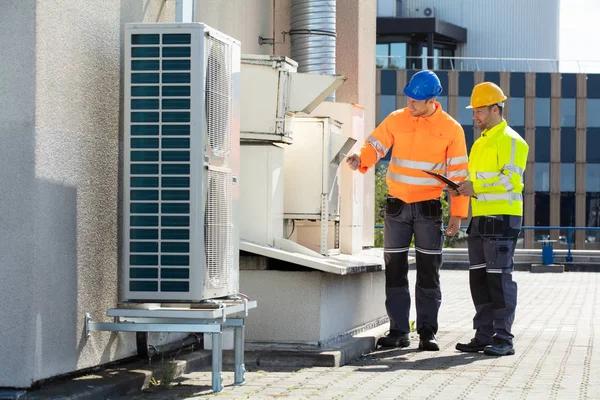
Another upgrade option involves replacing outdated components with high-efficiency alternatives such as variable speed motors or heat pumps. Variable speed motors adjust their operation based on real-time needs rather than running at full capacity constantly; this reduces both wear on the system and overall energy use. Heat pumps provide an efficient alternative by transferring heat rather than generating it directly—making them ideal for climates like Mesa where both heating and cooling are required throughout the year.
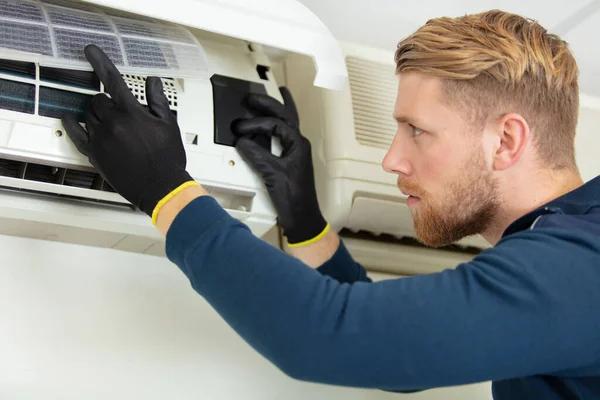
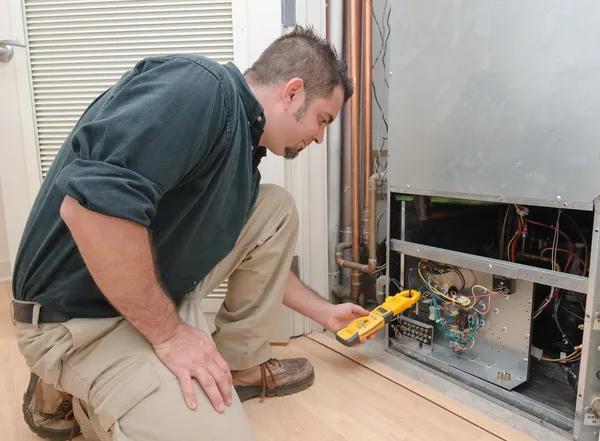
Regular maintenance also plays a vital role in ensuring an upgraded HVAC system operates efficiently over its lifespan. Routine inspections allow technicians to identify issues early before they escalate into costly repairs or lead to decreased efficiency levels due to neglected components like filters or ductwork obstructions.
Financial incentives explore further encourage residents in Mesa to consider upgrading their HVAC systems for better energy savings. Many local utilities offer rebates or tax credits aimed at offsetting initial investment costs associated with purchasing new equipment or making necessary modifications during installation processes—making these upgrades more accessible financially compared against sticking solely relying upon older inefficient models currently present within homes/businesses alike across region today!
In conclusion, investing in modernizing one’s existing heating/cooling infrastructure through strategic enhancements tailored specifically towards maximizing returns achieved via reduced operational expenses represents wise decision-making strategy poised deliver long-term value benefiting both individual property owners broader community collectively contributing efforts promote sustainable living practices amidst ever-evolving environmental challenges faced globally now future generations come!