admin
admin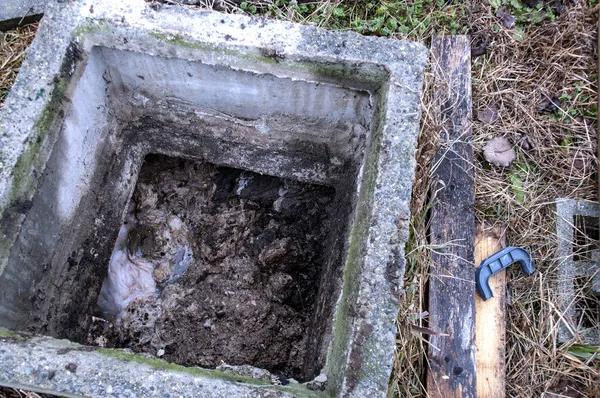
Proper septic system maintenance is essential for homeowners to ensure the longevity and functionality of their wastewater treatment systems. A professional septic inspection and maintenance checklist helps identify potential problems early, preventing costly repairs or environmental hazards. First, it is important to verify the location of the septic tank and drain field on your property. Knowing these areas prevents accidental damage from heavy machinery or landscaping activities that could compromise system integrity. During an inspection, a technician will examine the tank for structural issues such as cracks, corrosion, or leaks that may allow untreated sewage to escape into surrounding soil.
The condition of the tank’s baffles should also be assessed since they play a critical role in directing wastewater flow and preventing solids from clogging the drain field. A thorough evaluation includes measuring sludge and scum levels inside the tank using specialized tools; excessive buildup indicates it is time for pumping to avoid overflow or backup problems. Inspecting inlet and outlet pipes ensures there are no blockages or damage impeding proper function.
Septic Tank Inspection
Attention must be given to the drain field area where treated effluent disperses into soil. The inspector looks for signs of saturation such as soggy ground, foul odors, or lush vegetation growth which can indicate system failure due to clogging or overuse. Proper drainage around this zone must be maintained by diverting surface water away from it with grading adjustments if necessary.
Maintenance professionals will check all mechanical components including pumps, alarms, filters, and electrical connections if your system has advanced features like aerobic treatment units. These parts require regular servicing according to manufacturer recommendations to operate efficiently without interruption.
Homeowners should also review water usage habits during inspections because excessive water input can overwhelm a Gray Septic Solutions Savannah system leading to premature wear out or malfunctioning components. Reducing water consumption through efficient appliances and mindful use helps maintain balanced operation.
Finally, maintaining accurate records of all inspections, pumpings, repairs, permits obtained, and any alterations made provides valuable information for future service visits as well as resale purposes.
Scheduling routine professional septic inspections every three years on average-or more frequently depending on household size-ensures early detection of issues before they escalate into major failures affecting health safety and property value. Following this checklist with expert guidance empowers homeowners in protecting their investment while safeguarding local ecosystems from contamination risks associated with neglected septic systems.
Gray Septic Solutions
Savannah, GA 31405
912-661-4089